Campus Esserberg
International campus with day care, primary school and two highschools
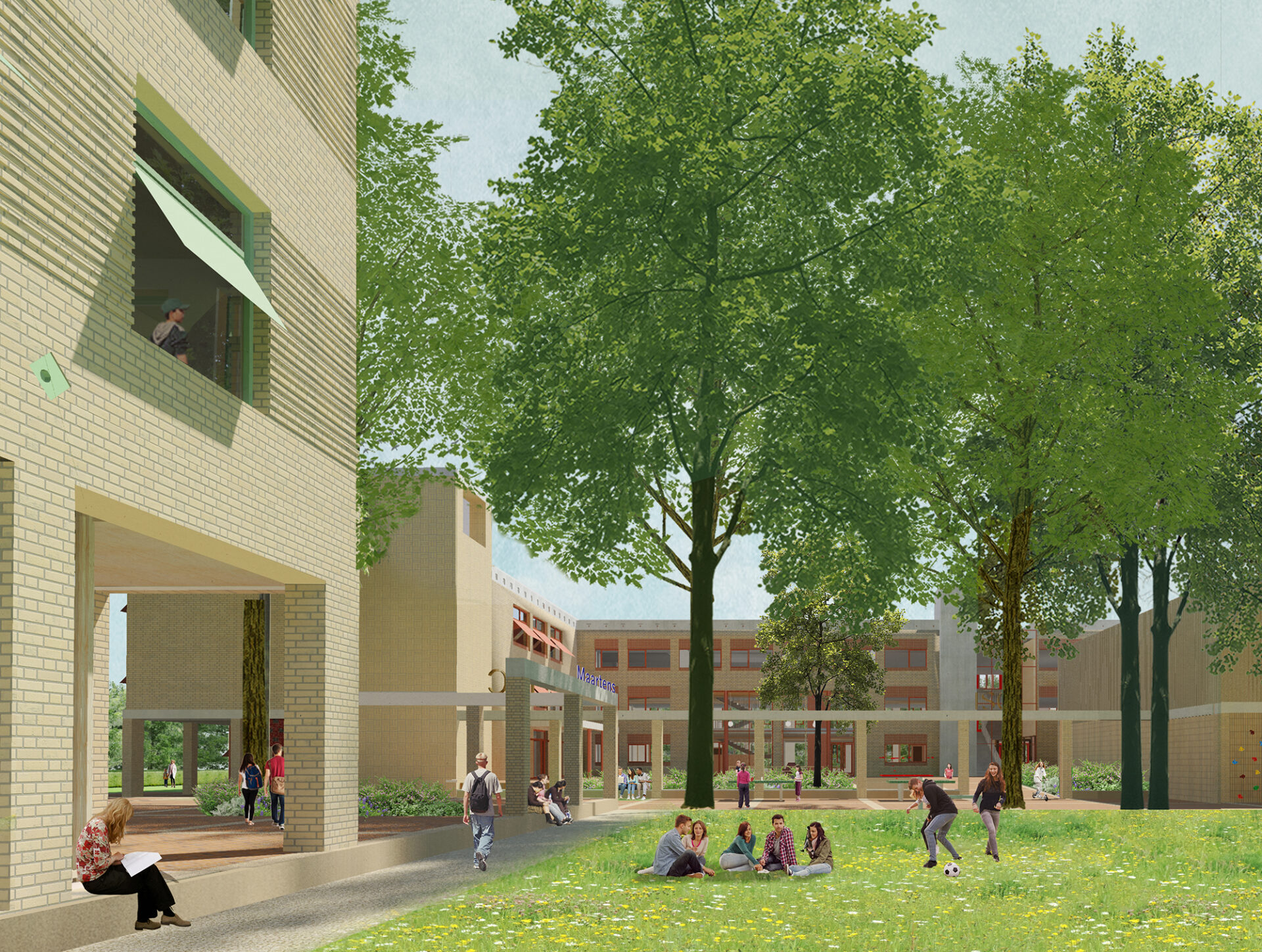
Located on the Esserberg estate between Groningen and Haren, the new campus will offer international and bilingual education for children and youth aged 0 to 18 years. The exceptional green location and the Bossche School architecture of the existing West Wing provide a rich cultural and historical foundation on which we are “building on” to realize a generous, cherished, and future-proof school environment.
More than in the current situation, the new campus will facilitate cross-pollination, knowledge exchange, and community building. However, in large school communities—and especially in international campuses—it is also important that students experience their own world so that they do not feel lost due to the size and complexity. We recognize this duality and aim for a school environment that offers both dynamism and openness on one hand, and tranquility and security on the other.
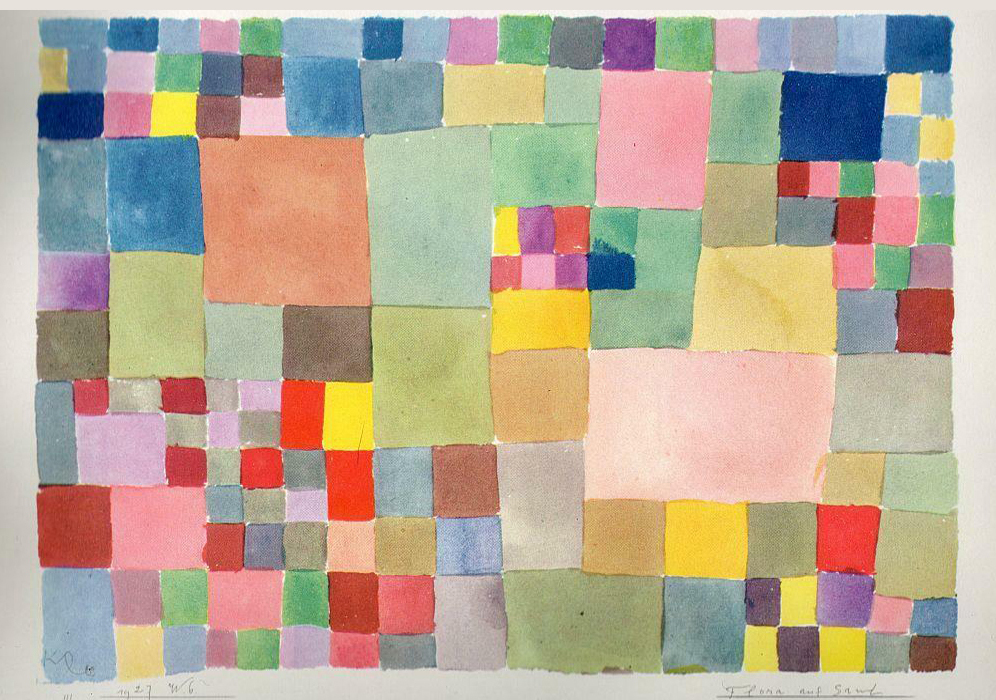
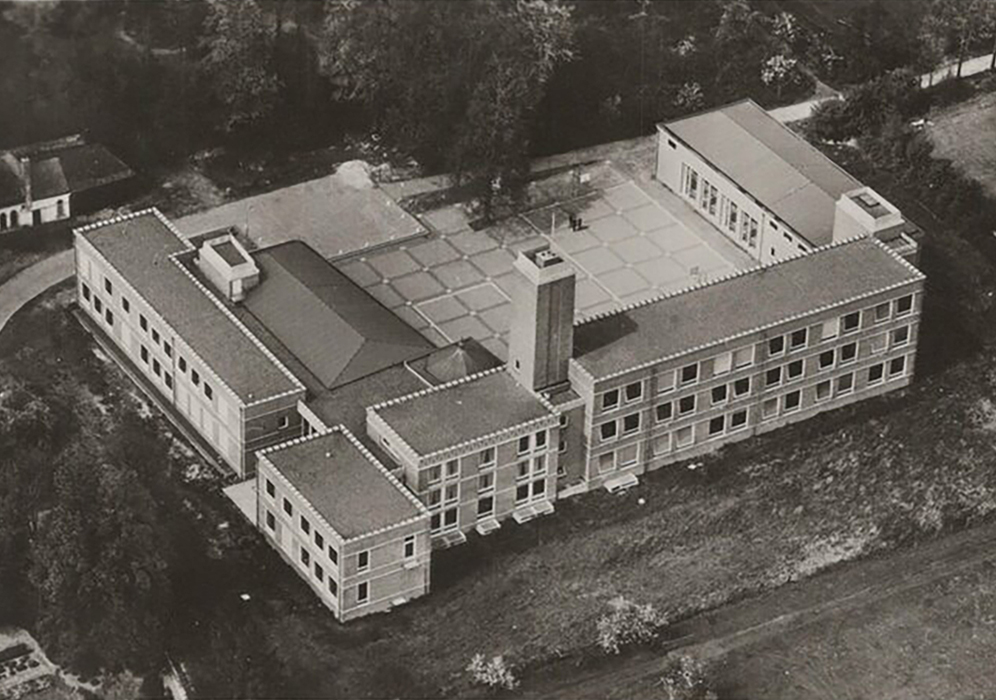
In designing both the buildings and the outdoor spaces they define, we are inspired by the philosophy of the Bossche School. This design philosophy provides harmonious unity through the use of a limited range of architectural elements. It is used to shape both the larger whole and the human scale. As a result, a coherent ensemble of legible buildings and outdoor spaces emerges, with a clear structure and recognizable domains that connect with the child’s experience of the world.


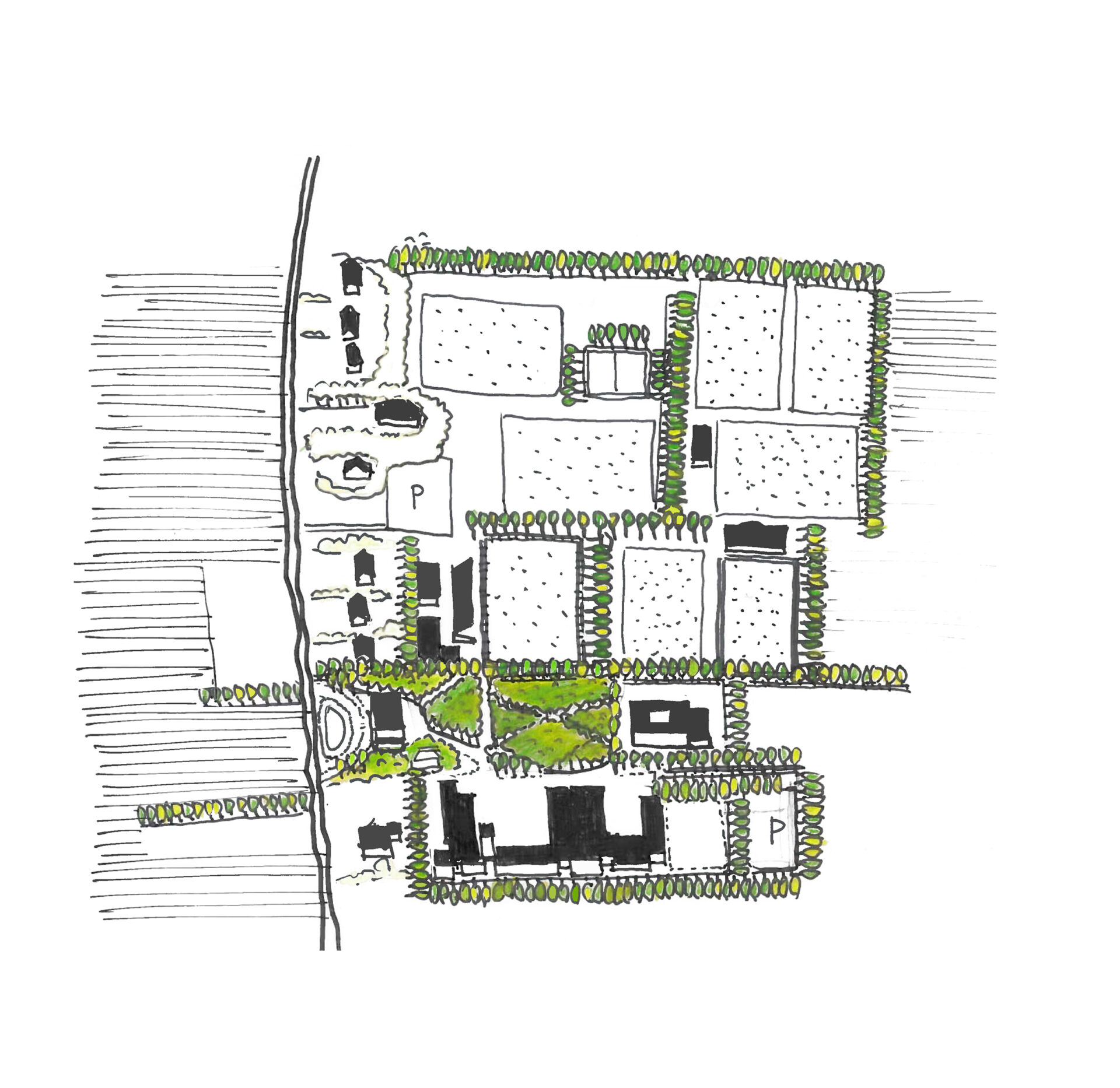
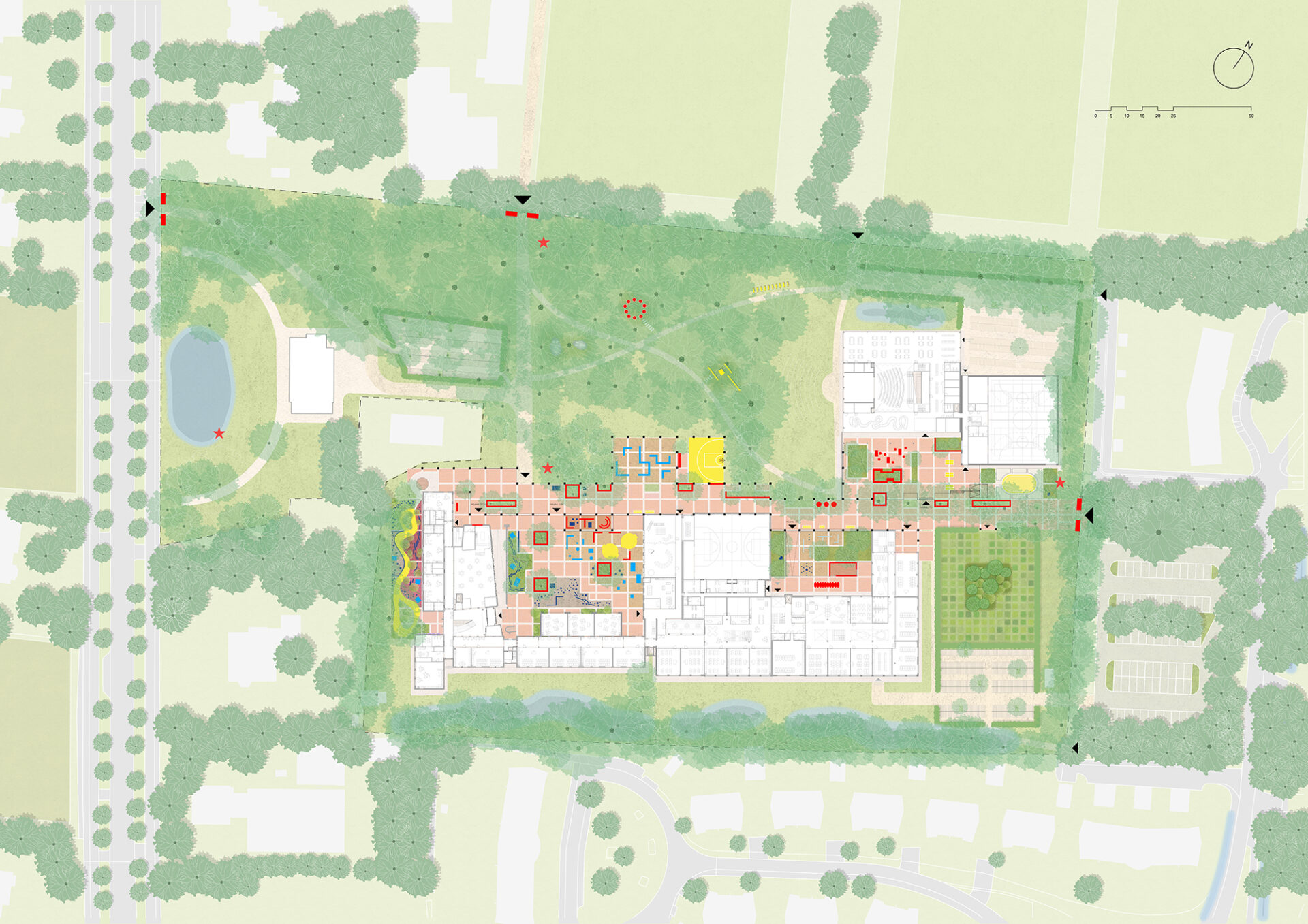
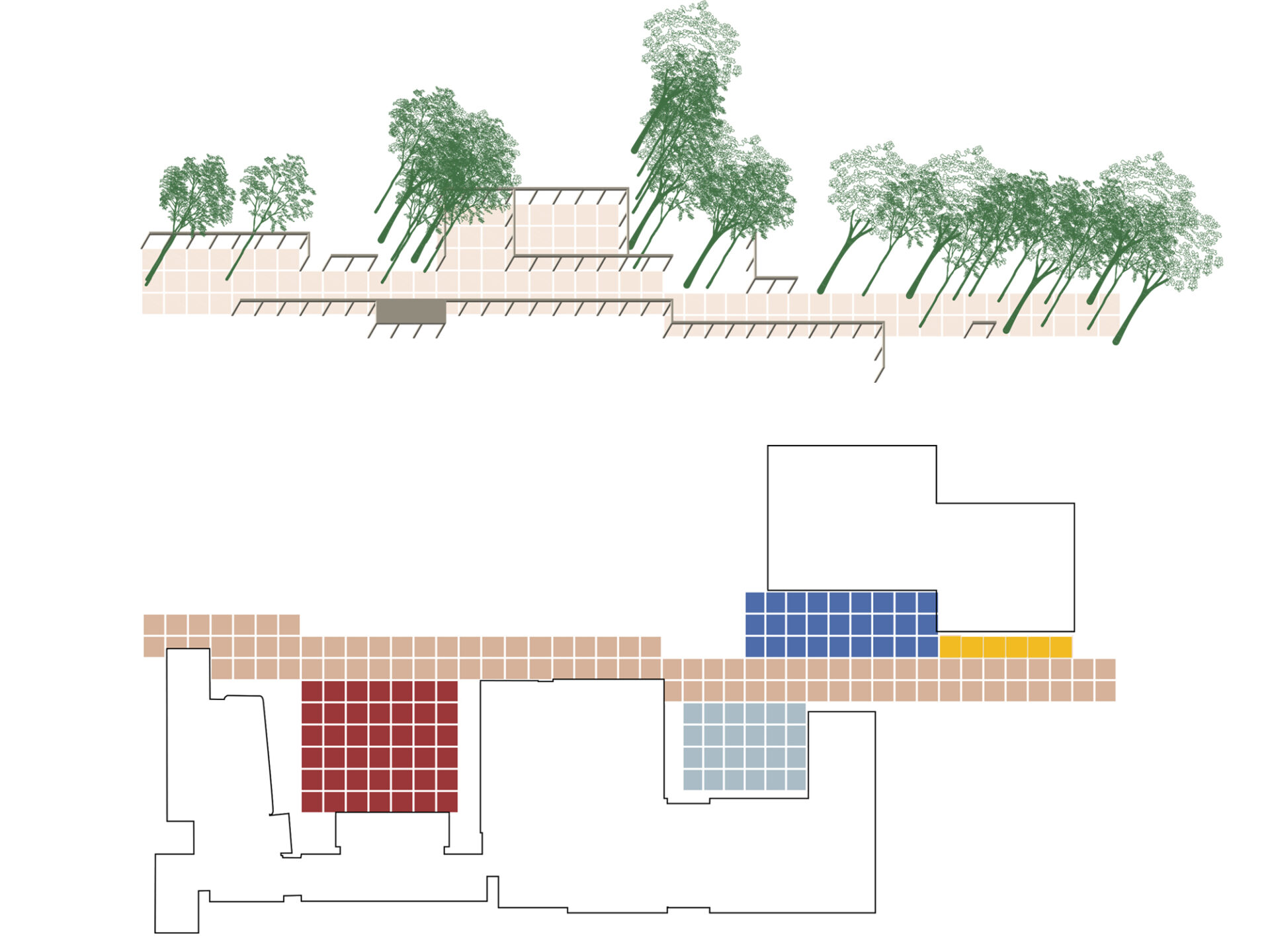
The historical framework of green rooms defined by tree-lined hedgerows forms the landscape backbone of the plan. It provides the campus with a sense of enclosure and serves as the unifying element that weaves the diverse programs into a single whole. The cultural-historical and landscape typology of the estate gives the campus its spatial identity. New buildings and outdoor spaces are carefully integrated as autonomous components in a cohesive architectural composition. This creates a clear structure that offers space and hierarchy for a patchwork of places designed for different target groups and age ranges. Most of the outdoor program is concentrated along the Landgoedlaan. This allows the wooded park to remain forest, unnecessary pathways to be returned to nature, and the ecological value of the estate to be enhanced.
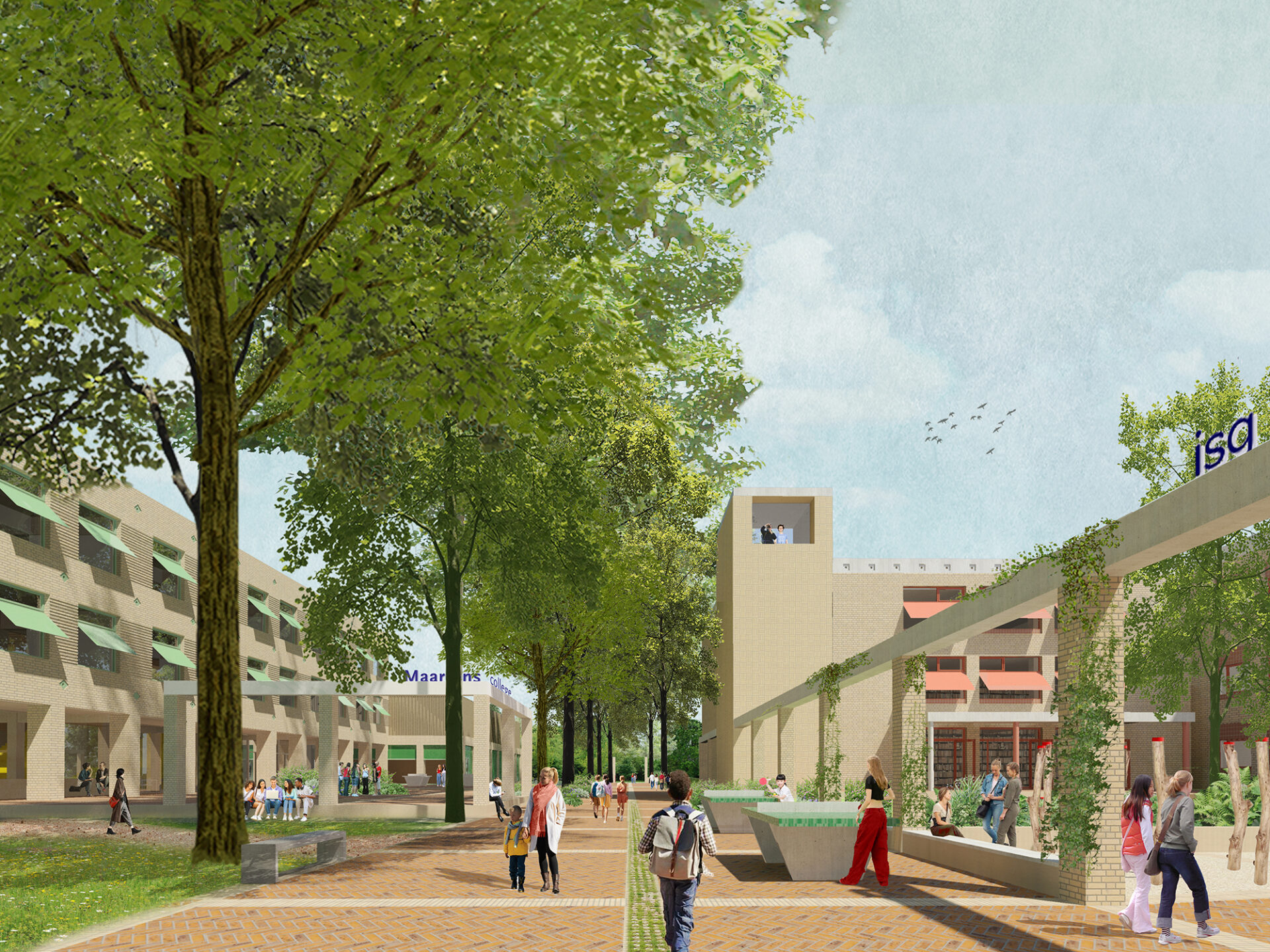
The Landgoedlaan forms the central spatial connector of the campus. It links all facilities and gives them an address on the campus. In addition to its role as a circulation route, the Landgoedlaan provides space for encounters and interaction among different users. It acts as a xenophile space: a space for the “friendly stranger,” where hospitality, respect, and community-building are central.
The space is lined with existing monumental trees and a new pergola structure, inspired by the architecture of the Bossche School. This pergola forms a frame that defines the space from the surrounding nature, creating a sense of enclosure. The pergola not only provides the Landgoedlaan with a recognizable identity but also marks the transition between the public domain of the lane and the private schoolyards.

The original 5x5m grid in the paving of the West Wing is extended into the Landgoedlaan to structure the entire ensemble of buildings and organize the various outdoor domains. It introduces a comprehensible scale that aligns with the child’s perspective and makes it possible to structure outdoor spaces for different age groups in a clear manner. At the same time, it offers unity and recognizability for the community. The grid is made from paving bricks and filled in with reused building materials from the East Wing. The 5x5m module allows for a wide range of potential programmatic uses that encourage learning, socializing, play, and movement. Based on a catalogue, we will work with users to determine the final “patchwork of places” for the lane and courtyards.
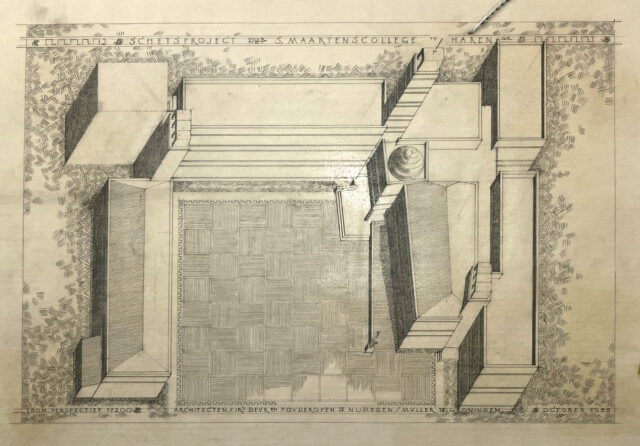
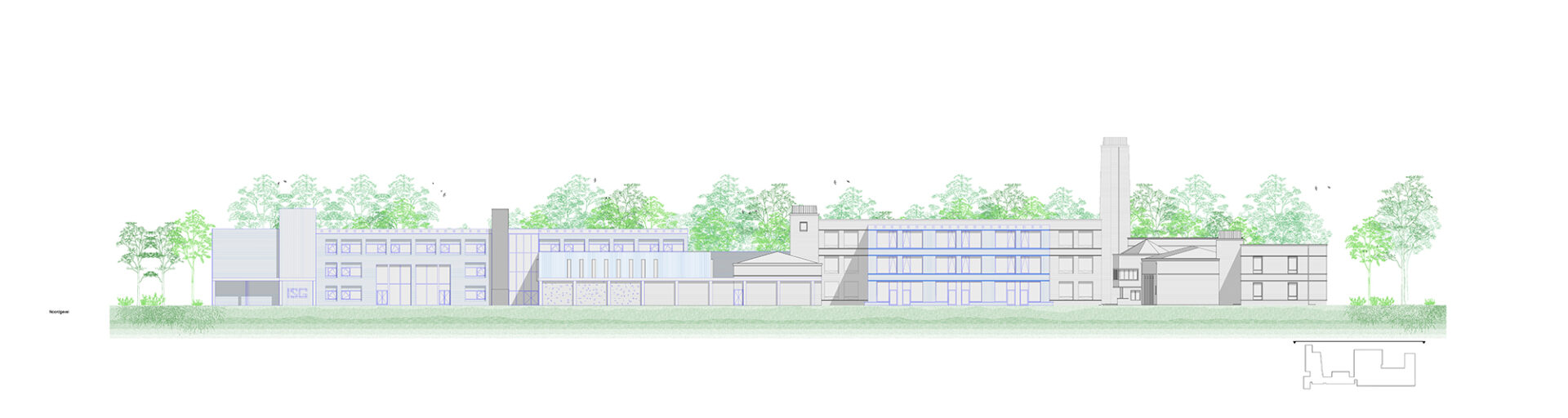
The new buildings, as well as the extensions, adopt the architectural DNA of the existing West Wing. This results in a family of buildings that belong together while each retaining its own character. Analogous to the West Wing, both extensions and new buildings are designed as composite volumes, in which the grain size and the yellow-brown ceramic bricks of the West Wing are recognizable. Through subtle differences in facade rhythm, relief, brickwork patterns, and ornamentation, each school gains its own identity. The different domains are further emphasized in the interior design, tailored to the experience of each specific age group.
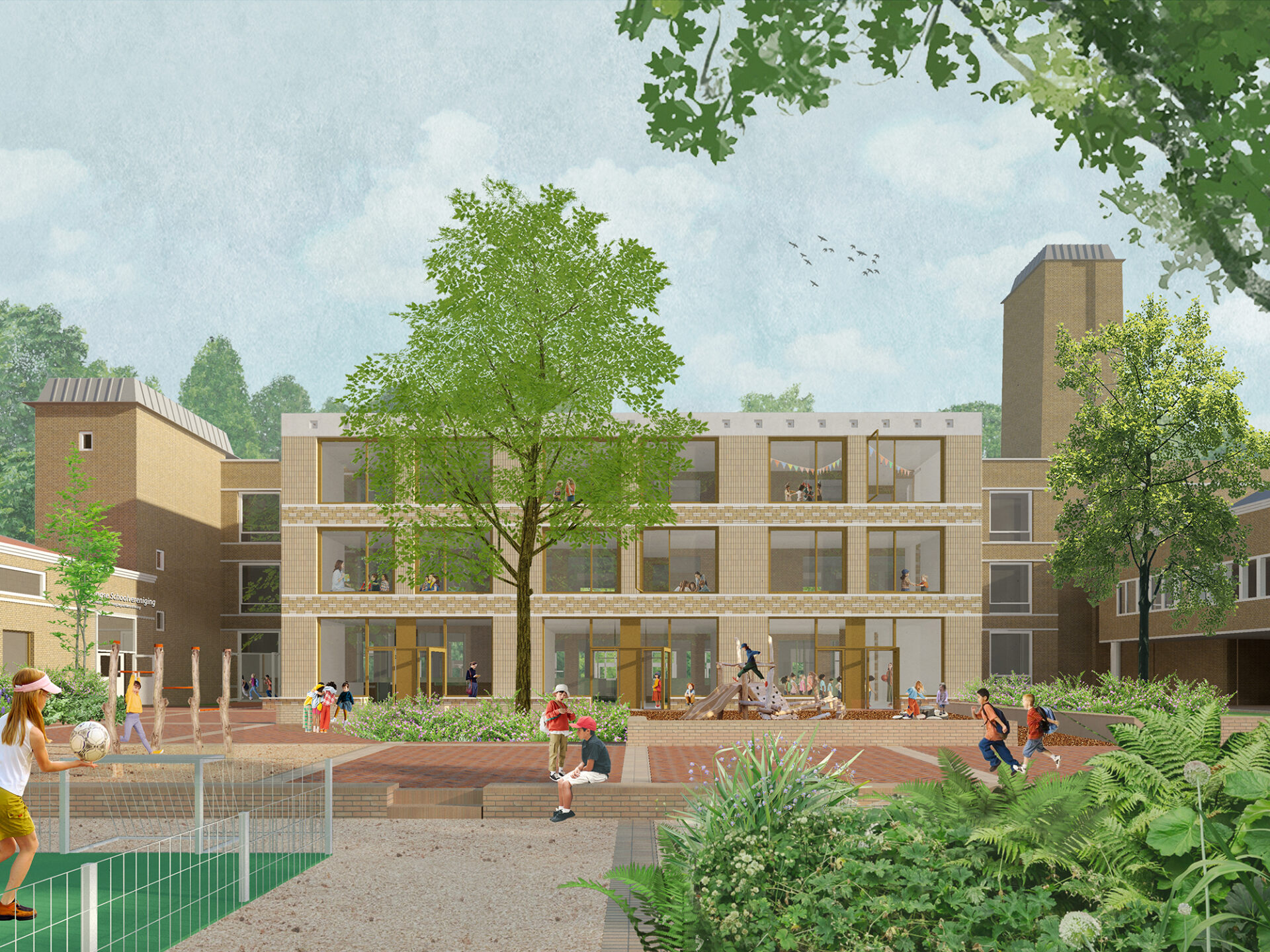
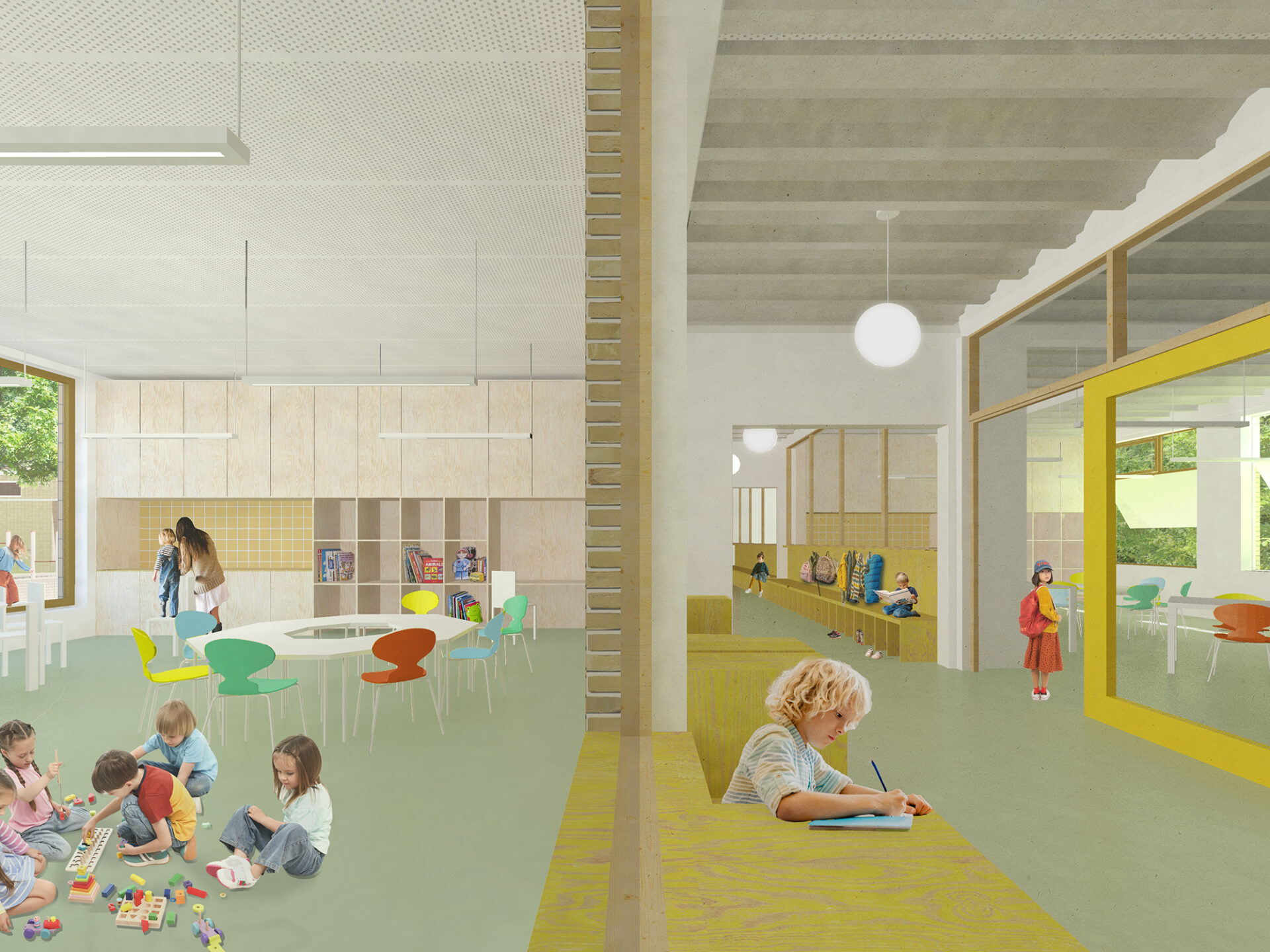
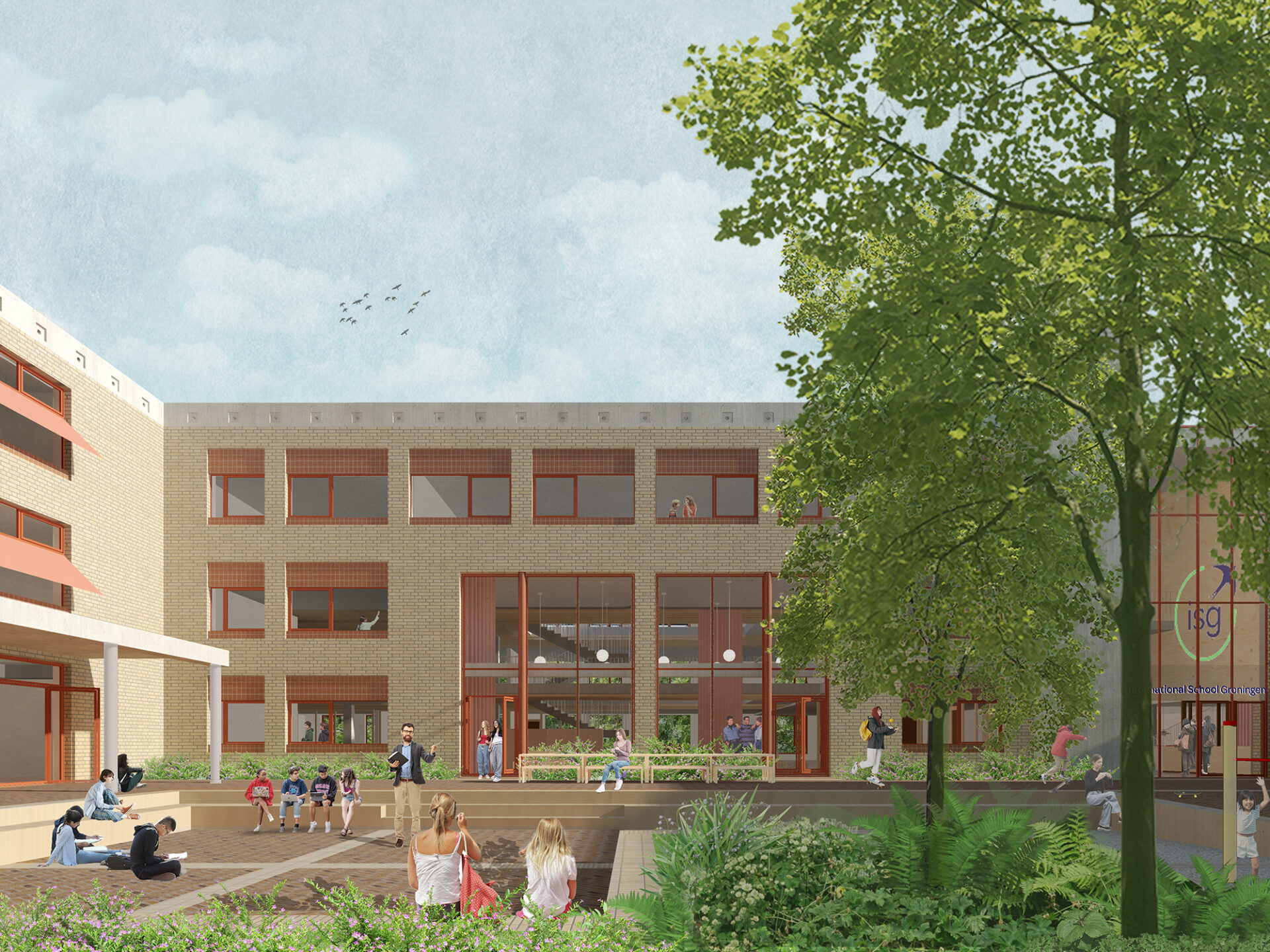
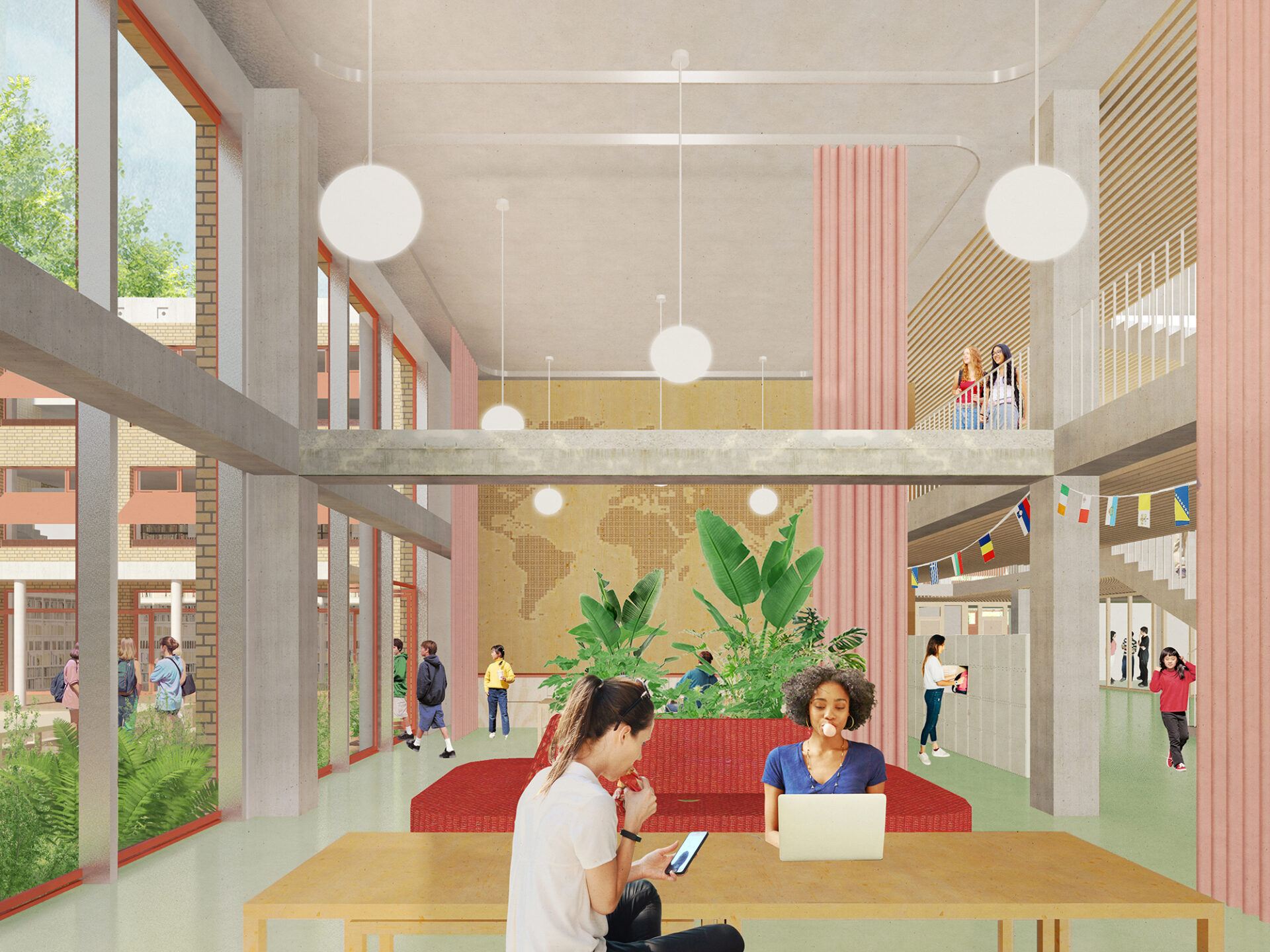
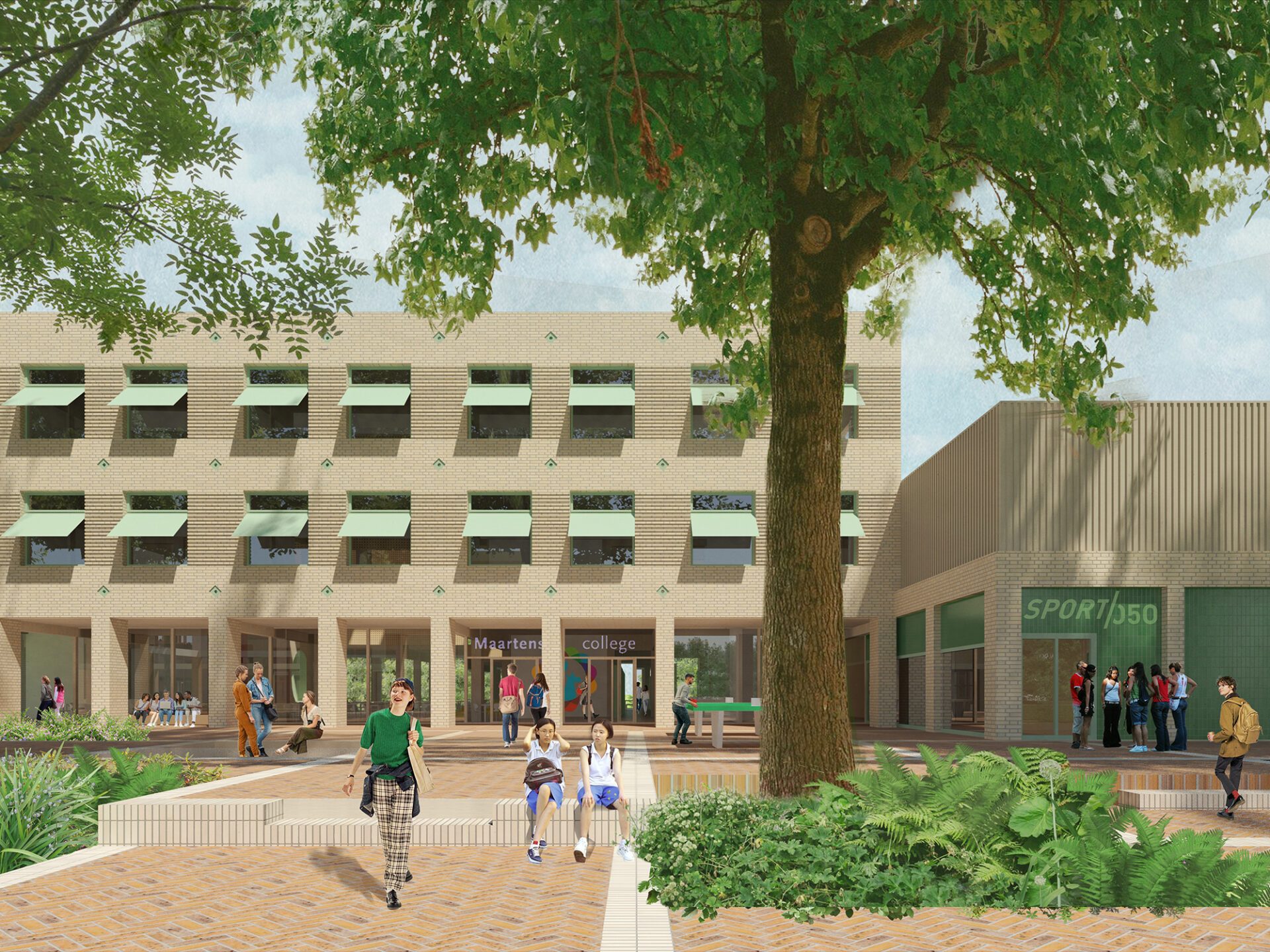
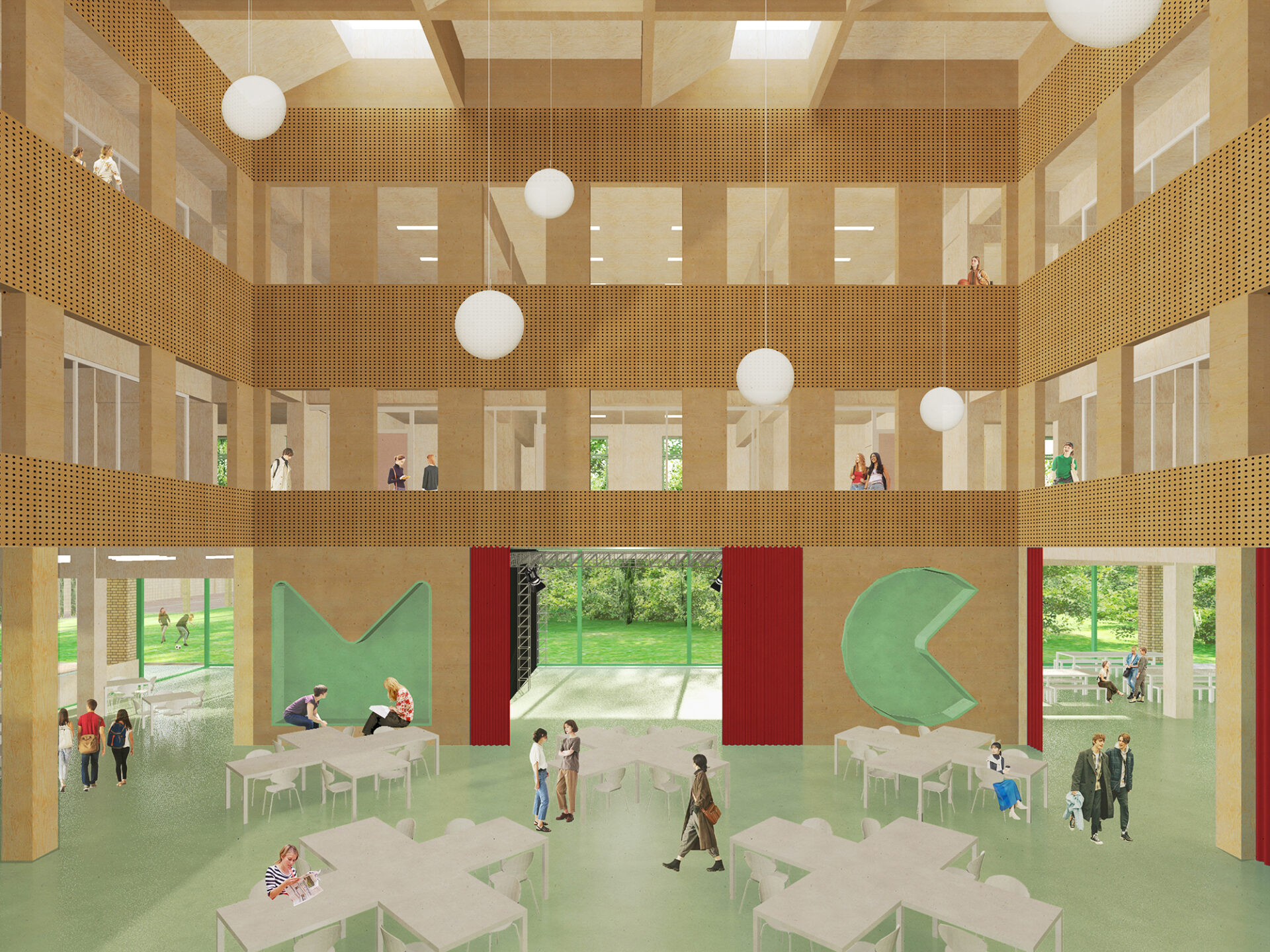
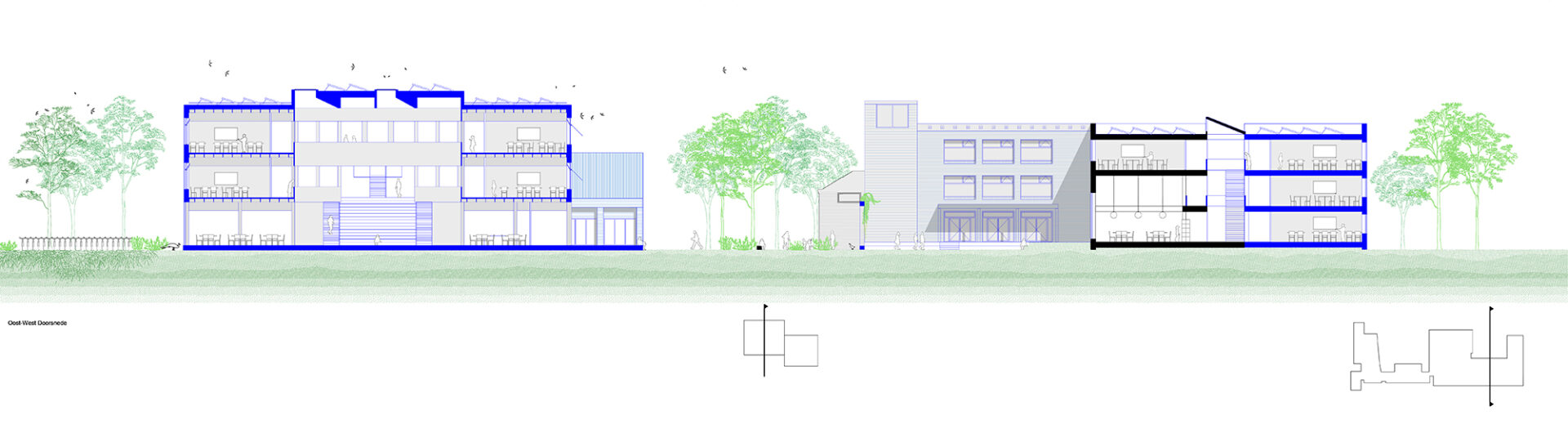
The school buildings are modular and flexible in layout (based on the standard module of a classroom), allowing them to adapt within a single structural framework to evolving educational insights and conditions. The modules can be combined to form larger spaces or subdivided further to accommodate smaller support functions. Along the Landgoedlaan, all major communal functions are organized to ensure they are visible and accessible to the campus community.

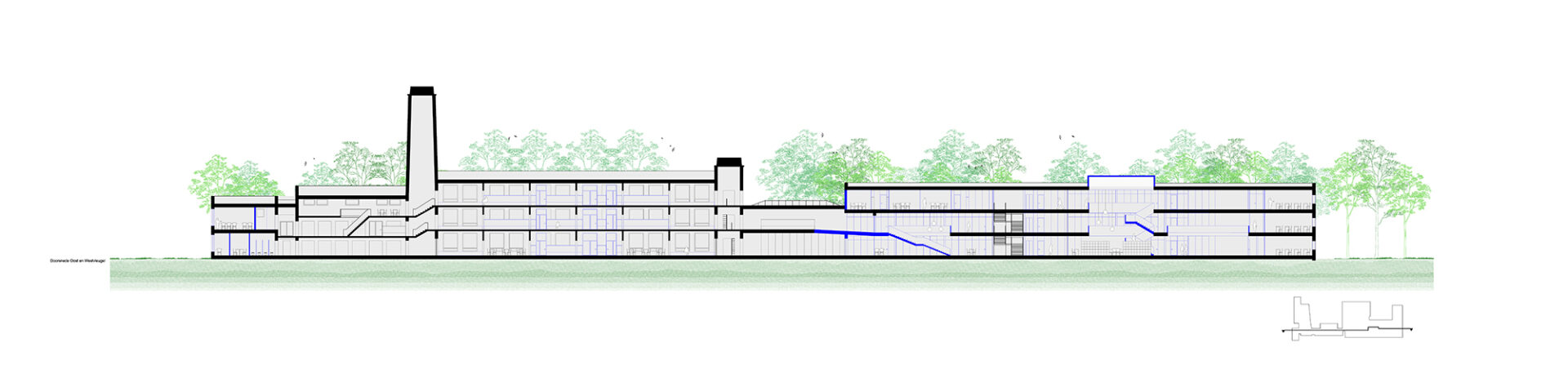
To keep new construction as compact as possible, as much of the program as possible is realized in and adjacent to the existing East and West Wings, effectively “retrofitting” them. In addition to energy efficiency and careful material selection, the design aims to create a high-quality and comfortable learning environment that is functional, cherished, and therefore future-proof.
We primarily strive for low-tech buildings that, through smart design and material choices, intrinsically support a pleasant indoor climate. The layout of the shell—with a demountable column-beam structure and a strategically chosen grid—makes it possible to reconfigure the floor plans in the future. Finally, we aim to create beloved buildings that are durable and aesthetically layered—buildings people feel connected to and take care of.
Credits
-
Assignment
International campus with day care, primary school and two highschools
- Year 2024-
-
Client
Gemeente Groningen
- Location Groningen
- Program international school campus
- Status ongoing
-
Prizes
- first prize tender
-
Team
- Thijs van Bijsterveldt
- Oana Rades
- Lilian Baumgärtel
- Max Koenraad
- Irene Cenci
- Partner
- Landscape
